Mastering Form Analysis for Racing: Unlocking the Secrets to Smarter Bets
- Feb 20
- 4 min read
When it comes to flat racing in the UK, understanding how to analyse form is a crucial skill for anyone serious about making consistent profits. Form analysis for racing is not just about looking at past results; it’s a detailed process that involves interpreting a variety of factors to predict future performance. This guide will walk you through the essentials of mastering form analysis, helping you make more informed betting decisions.
Understanding Form Analysis for Racing: The Basics
Form analysis for racing involves studying a horse’s previous performances to gauge its chances in upcoming races. This includes looking at finishing positions, the quality of opposition, race conditions, and other variables that influence outcomes.
Key elements to focus on include:
Recent race results: How has the horse performed in its last few runs? Consistency is often a good indicator.
Race distance: Some horses excel at specific distances. Check if the upcoming race suits the horse’s preferred trip.
Track conditions: Turf or all-weather surfaces can affect performance. Some horses handle soft ground better than others.
Class of race: Moving up or down in class can impact a horse’s chances. A drop in class might signal a better chance of winning.
Jockey and trainer form: The combination of a skilled jockey and a successful trainer can improve a horse’s prospects.
By carefully examining these factors, you can start to build a clearer picture of which horses are likely to perform well.

How to Use Form Analysis for Racing to Your Advantage
To get the most out of form analysis, it’s important to adopt a structured approach. Here are some practical steps:
Gather detailed form data: Use reliable sources that provide comprehensive racecards and past performance stats.
Look beyond the finishing position: A horse finishing fifth in a strong race might be more impressive than a winner in a weak field.
Consider the pace of the race: Horses that perform well in fast-paced races may struggle if the tempo changes.
Analyse the horse’s running style: Front-runners, hold-up horses, and those that come from behind all have different strengths depending on race conditions.
Factor in the draw: In flat racing, the stall position can influence a horse’s chances, especially on tight tracks.
By combining these insights, you can identify value bets that others might overlook.
What is the Best Horse Racing Form Guide?
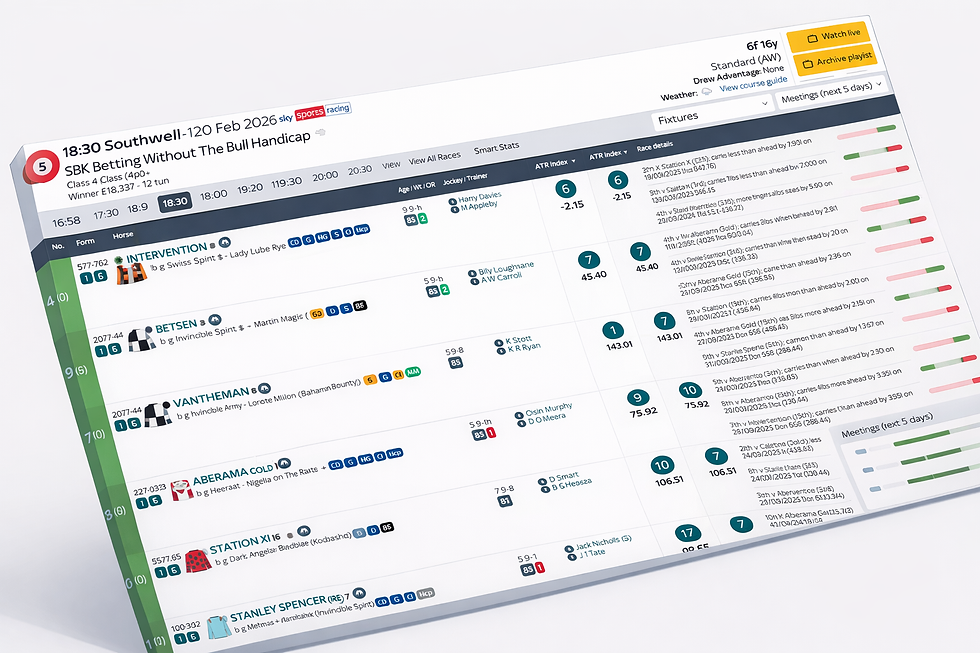
Choosing the right form guide is essential for effective analysis. The best horse racing form guides offer detailed, up-to-date information and are easy to interpret.
Look for guides that provide:
Comprehensive past performance data: Including finishing positions, margins, and race conditions.
Speed figures and ratings: These help compare horses across different races and tracks.
Trainer and jockey statistics: To assess current form and success rates.
Comments and notes: Expert insights can highlight factors not obvious from raw data.
User-friendly layout: Clear presentation makes it easier to spot key trends.
Many professional bettors rely on digital platforms that update in real-time, allowing them to react quickly to changes such as withdrawals or weather conditions.
Practical Tips for Improving Your Form Analysis Skills
Mastering form analysis takes time and practice. Here are some actionable recommendations to enhance your skills:
Keep a racing journal: Record your observations and results to track what works.
Focus on specific race types: Specialising in flat racing on turf or all-weather surfaces helps you understand nuances better.
Watch races: Visual observation complements data analysis and helps you understand running styles.
Stay patient: Avoid chasing short-term wins; consistent profits come from disciplined, long-term strategies.
Use multiple sources: Cross-reference different form guides and expert opinions to get a balanced view.
By applying these tips, you’ll develop a sharper eye for spotting value bets and avoiding common pitfalls.
The Role of Value Betting in Form Analysis
One of the key principles behind successful betting is identifying value - bets where the odds offered are higher than the true probability of the outcome. Form analysis plays a vital role in spotting these opportunities.
To apply value betting effectively:
Calculate implied probabilities: Convert odds into probabilities to compare with your own assessment.
Look for overlooked horses: Sometimes, less fancied runners have strong form indicators that the market has not fully priced in.
Be selective: Focus on bets where you have a clear edge rather than betting on every race.
Manage your bankroll: Use staking plans to protect your funds and maximise long-term returns.
Integrating value betting with thorough form analysis can significantly improve your chances of consistent success.
Developing a Long-Term Approach to Betting Success
Success in horse racing betting is rarely about quick wins. Instead, it requires a patient, methodical approach based on solid form analysis and value betting principles.
Consider these strategies:
Follow a trusted tipping service: Services that prioritise transparency and long-term value can provide valuable insights.
Track your performance: Regularly review your bets to identify strengths and weaknesses.
Avoid hype-driven tips: Focus on data and analysis rather than popular favourites or media buzz.
Stay disciplined: Stick to your strategy even during losing streaks, as variance is part of the game.
By committing to a long-term plan, you increase your chances of turning horse racing into a profitable endeavour.
Mastering form analysis for racing is a journey that combines data, observation, and discipline. By understanding the key factors that influence race outcomes and applying a structured approach, you can make smarter bets and improve your chances of success. For those looking to deepen their knowledge, exploring resources on horse racing form analysis can provide valuable guidance and support.
New members can obtain a £10 Month using RACING40 as a coupon code in the check out HERE or the link below


Comments